
A Comparison of Business Fibre Internet vs. Wireless Internet in South Africa
Understanding Business Fibre Internet and Wireless Internet
In the digital age, reliable internet connectivity is crucial for businesses. In South Africa, companies often choose between two main options: business fibre internet and wireless internet. Both have their own advantages and limitations, which can significantly impact business operations. This post aims to break down these options to help you make an informed decision.
Business fibre internet is known for providing high-speed, stable connections, making it ideal for companies that rely heavily on internet usage for operations such as video conferencing, cloud computing, and large data transfers. On the other hand, wireless internet offers flexibility and mobility, which is beneficial for businesses that require connectivity on the go or in remote areas.
Speed and Reliability
Fibre internet typically offers faster speeds compared to wireless internet. It can deliver speeds of up to 1 Gbps or more, depending on the service provider. This makes it suitable for data-intensive tasks and multiple users. Fibre connections are also less prone to interference, ensuring a stable and reliable connection.
Wireless internet, while improving in terms of speed, generally offers lower maximum speeds than fibre. However, it provides the advantage of being available in areas where laying down fibre cables might not be feasible. The reliability of a wireless connection can vary based on factors like weather and geographical obstacles.
Installation and Infrastructure
The installation of fibre internet requires physical infrastructure, which can be time-consuming and costly. It involves laying down cables and may require significant groundwork, especially in less developed areas. However, once installed, fibre connections require minimal maintenance and offer long-term benefits.
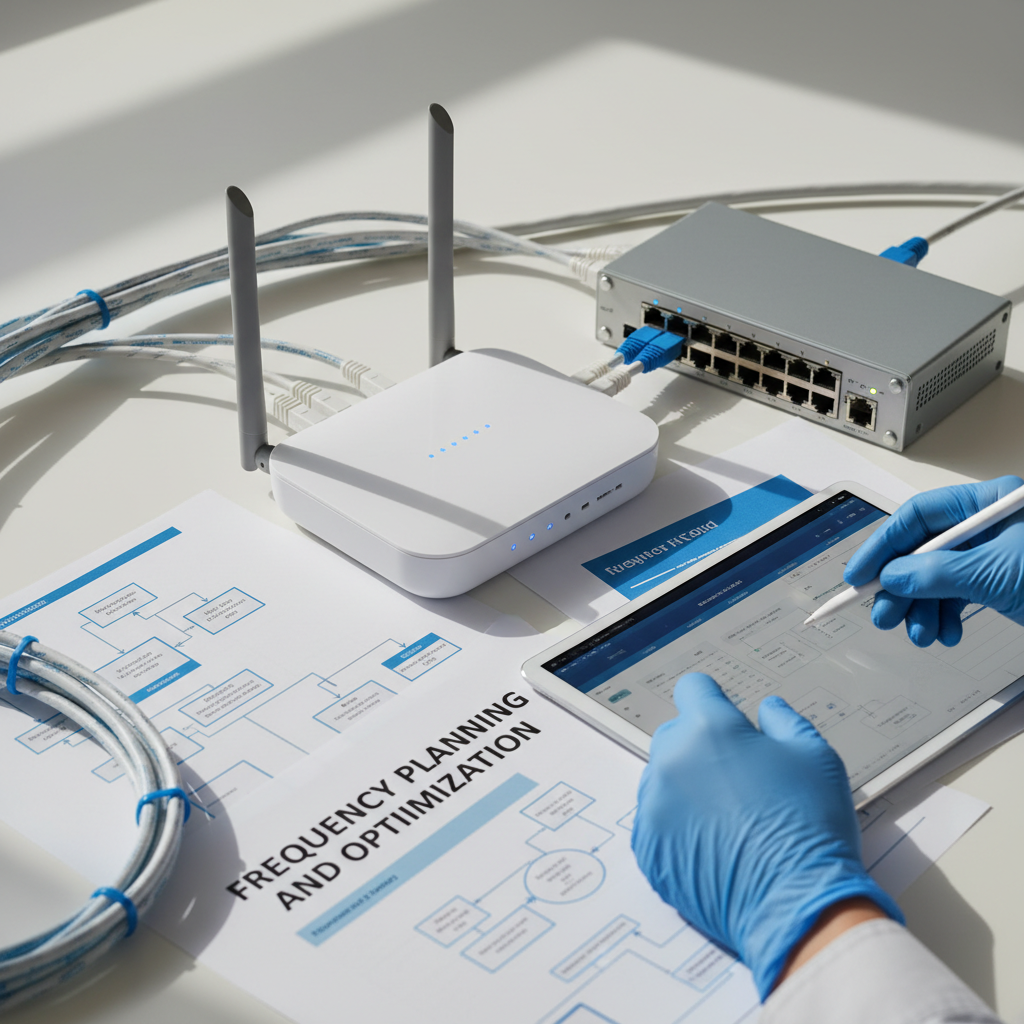
Wireless internet, in contrast, requires less physical infrastructure, making it quicker and often cheaper to set up. This type of connection can be established with minimal equipment, which is ideal for businesses needing quick deployment or operating in temporary locations.
Cost Considerations
When considering costs, fibre internet might have higher initial installation fees due to the infrastructure required. However, the ongoing costs can be justified by the reliability and speed benefits, especially for businesses that rely heavily on internet connectivity.
Wireless internet usually has lower upfront costs and can be more affordable in the short term. However, depending on the provider and plan, the cost per megabyte might be higher, especially for data-heavy usage.
Scalability and Flexibility
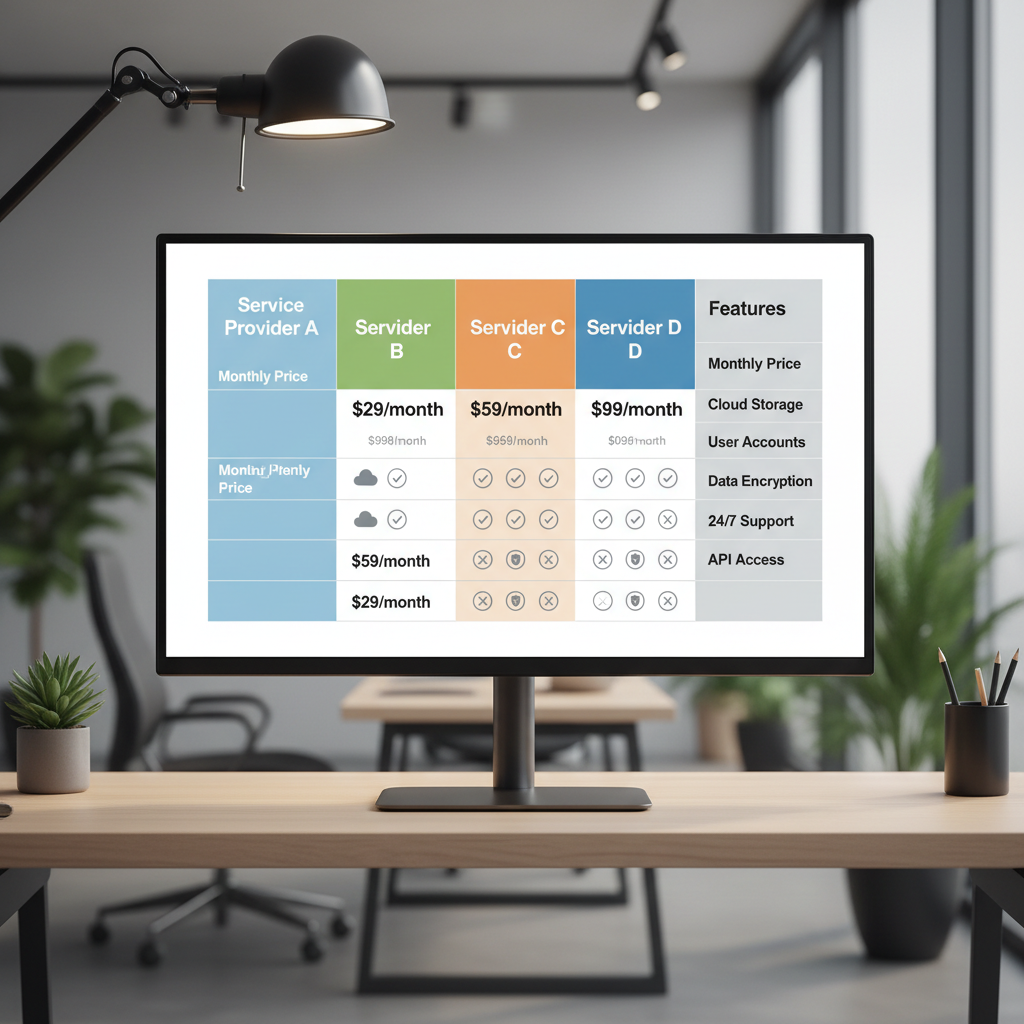
Fibre internet is highly scalable, allowing businesses to upgrade their bandwidth as needed without significant changes to the existing infrastructure. This makes it an excellent choice for growing businesses that anticipate increasing data demands.
Wireless internet provides unmatched flexibility, particularly for businesses that need to move locations or operate in multiple locations without a permanent setup. It allows for easy adjustments and mobility, making it ideal for dynamic business environments.
Conclusion
Choosing between business fibre internet and wireless internet in South Africa depends on several factors, including your business’s specific needs, budget, and location. Fibre internet offers unparalleled speed and reliability for data-driven enterprises, while wireless internet provides flexibility and ease of installation, especially in remote areas.
Ultimately, assessing your business requirements and consulting with service providers can help you select the most suitable option for your needs. Both solutions have their merits and can significantly enhance your business operations when chosen wisely.