
A Beginner’s Guide to Hosted PBX Systems and Benefits
Understanding Hosted PBX Systems
A Hosted PBX (Private Branch Exchange) is a cloud-based phone system that allows businesses to manage their internal and external communications efficiently. Unlike traditional phone systems, hosted PBX systems are not physically located on the company's premises. Instead, they are hosted by a service provider, reducing the need for extensive hardware and maintenance.
One of the main advantages of a hosted PBX system is its ability to support a wide range of communication features, such as call forwarding, voicemail, and conferencing. These systems are scalable, allowing businesses to adjust their communication solutions according to their needs.

How Hosted PBX Systems Work
Hosted PBX systems operate through the internet, utilizing VoIP (Voice over Internet Protocol) technology to route calls. This allows businesses to manage calls through a web-based interface, making it easy to add or remove users and features as needed.
Another key aspect is the integration with other software solutions. Hosted PBX systems can often be integrated with CRM systems, enhancing customer service and streamlining workflows. This integration can significantly improve the efficiency and productivity of a business's communication strategy.
Benefits of Hosted PBX Systems
Hosted PBX systems offer numerous benefits, particularly for small to medium-sized businesses. Here are some key advantages:
- Cost Efficiency: With minimal upfront costs and reduced maintenance fees, businesses can enjoy significant savings.
- Scalability: Easily scale your phone system as your business grows, with the flexibility to add or remove users.
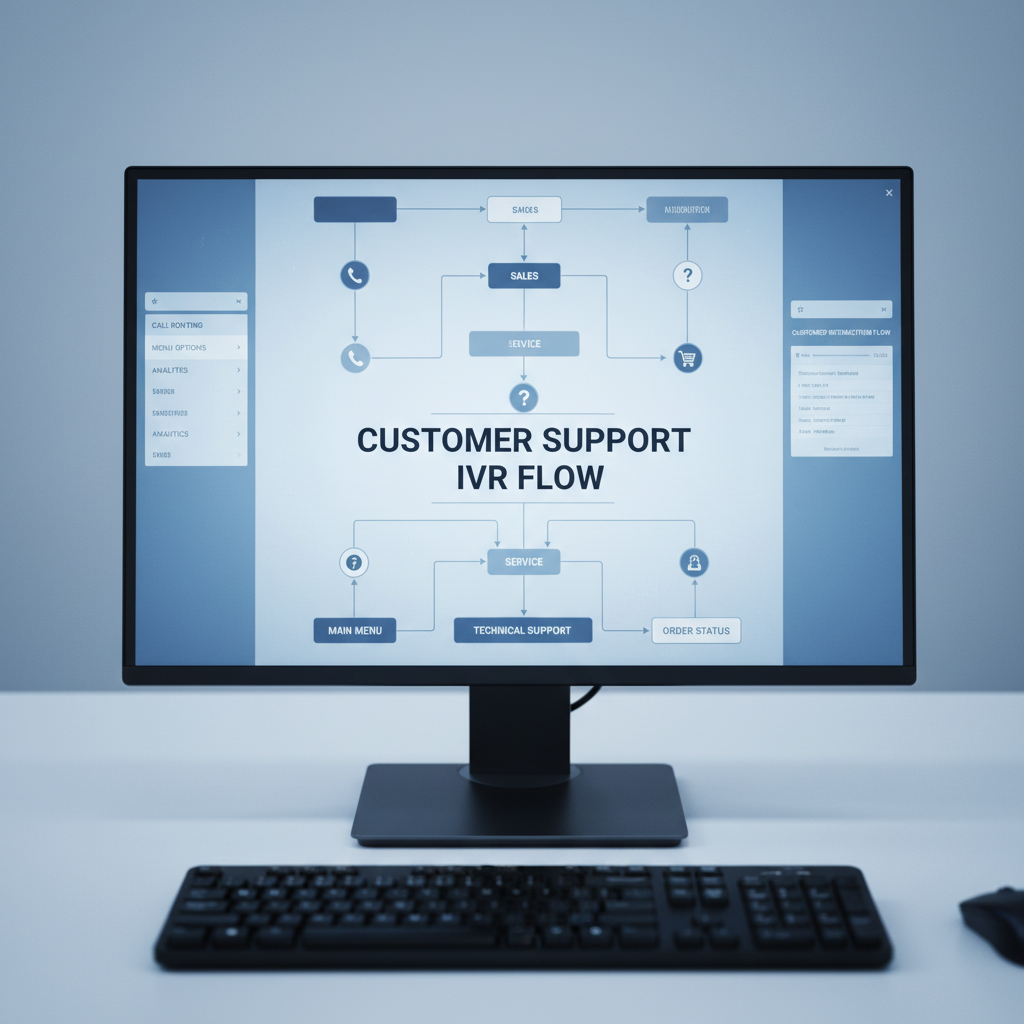
- Advanced Features: Access to features such as auto-attendant, call recording, and detailed analytics.
Moreover, hosted PBX systems provide enhanced reliability and disaster recovery options, ensuring business continuity even during unexpected events.

Choosing the Right Hosted PBX Provider
When selecting a hosted PBX provider, it's crucial to consider factors such as reliability, customer support, and feature offerings. Look for providers with a proven track record and positive customer reviews. Additionally, ensure that they offer a robust service level agreement (SLA) to guarantee uptime and performance.
Another important consideration is the provider's ability to offer integration with existing systems and support for future expansion. This ensures that your communication infrastructure can evolve alongside your business.

Implementing a Hosted PBX System
Implementing a hosted PBX system is typically straightforward. The provider will usually handle the setup and configuration, allowing businesses to focus on training employees and optimizing the system for their specific needs.
Training is a critical component of implementation. Ensuring that all employees are comfortable with the new system can lead to faster adoption and more effective use of the hosted PBX features.

Conclusion
Hosted PBX systems offer a modern, flexible solution for business communication needs. By leveraging the power of the cloud, businesses can enjoy cost savings, scalability, and a rich set of features that enhance productivity and customer satisfaction.
As you consider transitioning to a hosted PBX system, take the time to evaluate your specific requirements and choose a provider that aligns with your business goals. With the right solution in place, your business can enjoy seamless and efficient communication capabilities.